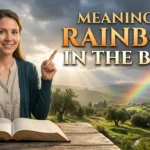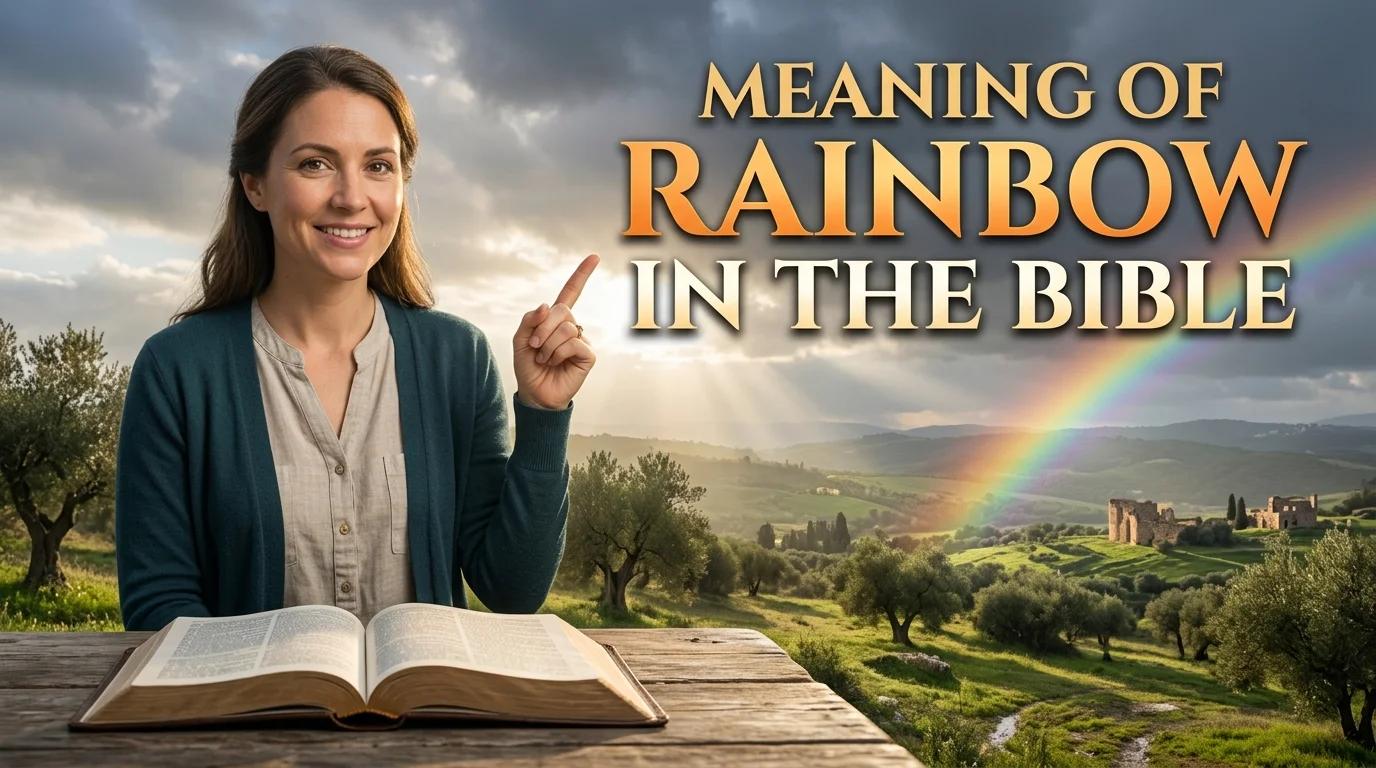
Have you ever looked up after a storm and caught sight of a bright arc of colors stretching across the sky? That simple natural wonder carries a weight of meaning far deeper than most people realize. The meaning of rainbow in the Bible goes straight to the heart of God’s characterHis faithfulness, mercy, and commitment to creation. Far from being just a pretty optical effect, the rainbow stands as a living reminder of a promise made thousands of years ago that still holds true today.
In the pages of Scripture, the rainbow appears at pivotal moments. It marks the end of judgment and the beginning of hope. It surrounds the very throne of God. Speaks of grace that outlasts storms. Whether you are exploring faith for the first time or have read the Bible for years, understanding the biblical meaning of the rainbow can change the way you see every cloudy day that follows rain.
This post unpacks the full story. We will walk through the original account in Genesis, explore other key appearances in Scripture, dig into the rich symbolism, and look at how this ancient sign still speaks to modern life. By the end, you will see why the rainbow remains one of the most powerful visual promises God ever gave humanity.
The First Appearance: Rainbow After the Flood
The story begins in Genesis, after one of the most dramatic events in the early chapters of the Bible. Humanity had grown deeply corrupt. Violence filled the earth. God decided to cleanse the world through a great flood, yet He spared Noah, his family, and representatives of every living creature by instructing them to build and enter the ark.
When the waters finally receded and the ark rested on dry ground, Noah stepped out into a changed world. He built an altar and offered sacrifices of thanksgiving. God responded with a remarkable declaration. He established a covenantnot only with Noah and his descendants but with every living creature that had come out of the ark.
God said He would never again destroy all life with a flood. As the visible sign of that promise, He set His bow in the clouds. Whenever the rainbow appears, God declared, He would remember the everlasting covenant between Himself and all living creatures on the earth.
This is the foundational passage for the meaning of rainbow in the Bible. The rainbow is not merely decorative. It is a covenant sign. It belongs to God as His chosen token of mercy. The Hebrew word often translated “rainbow” is the same word used for a warrior’s bow. Many readers notice the powerful image: God hangs up His weapon of judgment. The bow points away from the earth, a visual declaration that the war of the flood is over.
The covenant is universal. It covers people, animals, birds, and every living thing. It is perpetualmeant for all generations to come. Rain will still fall. Storms will still come. Yet the waters will never again rise to wipe out all flesh. Every time a rainbow appears after rain, the sky itself testifies to God’s faithfulness.
Why God Chose a Rainbow as the Sign
Why a rainbow? Not something else? Scripture does not give a long scientific explanation, yet the choice is full of meaning. A rainbow appears only when light and water meet in a particular way. After the storm comes the sun. The very conditions that once brought destruction now produce beauty. Judgment and mercy meet in one image.
The rainbow is also universal and free. Anyone can see itrich or poor, young or old, believer or skeptic. It requires no temple, no special ritual, no payment. God places His sign in the open sky for all the earth to notice. That accessibility matches the scope of the covenant itself. The promise is not limited to one nation or one family. It embraces the whole creation.
Some have pointed out that the bow in the sky looks like a weapon at rest. In the ancient world, a hung-up bow signaled peace. God, the righteous Judge who had the right to destroy, chose instead to declare an end to global watery judgment. The sign reminds both God and humanity of that decision. Scripture even says that when God sees the rainbow, He remembers the covenant. Of course God never forgets, yet the language shows how seriously He takes His own promise.
Other Mentions of the Rainbow in Scripture
The rainbow does not disappear after Genesis. It returns in two other major books, each time connected to the glory and presence of God.
In Ezekiel’s famous vision of the divine throne, the prophet describes the brightness surrounding the Lord. He compares it to the appearance of a rainbow in the clouds on a rainy day. The glory of God shone with the same multicolored radiance that people see after a storm. Here the rainbow is no longer only a sign of the flood covenant. It becomes a description of God’s own majestic presence. Even in a vision filled with judgment and warning for Israel, the rainbow appears as a reminder of divine faithfulness.
Centuries later, the apostle John sees a similar image in the book of Revelation. Around the throne of God sits a rainbow that shines like an emerald. The color is strikingpredominantly green, a hue often associated with life and renewal. Once again the rainbow circles the place of ultimate authority. Judgment is coming in the chapters that follow, yet the sign of mercy remains in full view.
A little later in Revelation, John describes a mighty angel coming down from heaven. The angel is clothed with a cloud and has a rainbow above his head. His face shines like the sun. The same covenant symbol that first appeared after the flood now crowns a heavenly messenger. Mercy and power stand together.
These later appearances deepen the meaning of rainbow in the Bible. The sign is not locked in the distant past. It continues to mark the presence of God and the reliability of His promises even in scenes of final judgment and ultimate glory.
Core Meanings and Symbolism of the Rainbow
When we gather the biblical references, several clear themes emerge.
First, the rainbow is a sign of covenant faithfulness. God keeps His word. The promise made to Noah still stands. No global flood has ever repeated, and Scripture assures us none ever will. Every rainbow is a quiet testimony that God remembers what He has spoken.
Second, it represents mercy after judgment. The flood was real. Sin had consequences. Yet judgment was not the final word. Grace followed. The rainbow appears only after the rain. In the same way, God’s mercy meets us after the storms of life.
Third, the rainbow points to God’s glory. Both Ezekiel and John link the rainbow to the radiance that surrounds the divine throne. The beauty we see in the sky is a faint echo of the beauty that fills heaven.
Fourth, it offers hope and reassurance. Storms still come. Life still hurts. Yet the appearance of the rainbow after rain can lift the heart. It whispers that the worst is not the end. God remains in control, and His purposes include restoration.
Some readers also notice the connection to the gospel. Just as Noah and his family were saved through the ark, people today find safety in Christ. The rainbow that followed the flood becomes a picture of the greater deliverance God provides through His Son. Judgment is real, yet so is the way of escape.
Practical Ways the Biblical Rainbow Speaks Today
Understanding the meaning of rainbow in the Bible is not only an intellectual exercise. It shapes how we live.
When you see a rainbow, pause. Let it remind you that God keeps His promises. In seasons of uncertainty, that visual cue can steady the soul. The same God who hung His bow in the sky after the flood still watches over the earth.
The rainbow also teaches us about the character of God. He is both just and merciful. He does not ignore sin, yet He delights in showing compassion. That balance matters in a world that often swings between harshness and cheap grace.
Parents can use rainbows as teaching moments. Children love the colors. A simple conversation about Noah, the flood, and God’s promise can plant seeds of faith that last a lifetime. The sky itself becomes a classroom.
In times of personal stormloss, failure, fearthe rainbow offers perspective. The rain will not last forever. The light will break through. And when it does, the beauty that follows can be even more vivid because of what came before.
Finally, the rainbow invites gratitude. Every time the arc appears, it is free. No one earns it. God simply places it there. That generosity mirrors the grace He offers in countless other ways.
Common Questions and Misunderstandings
Some people wonder whether the rainbow existed before the flood. Scripture does not say. What it does say is that God set the rainbow as the sign of the covenant at that moment. Whether the physical phenomenon was new or newly designated, the meaning was assigned then.
Others notice that modern culture has attached different meanings to the rainbow. The biblical meaning remains unchanged. God’s Word defines the symbol on its own terms. The covenant of Genesis stands independent of later cultural uses.
A few ask about double rainbows or rare forms. The Bible does not comment on those. The single rainbow is the clear sign God named. Extra arcs may be beautiful, yet they carry no additional revealed meaning.
FAQ Section
What is the primary meaning of rainbow in the Bible?
The primary meaning of rainbow in the Bible is the sign of God’s covenant with Noah and all living creatures. After the flood, God promised never again to destroy the earth with a worldwide flood. The rainbow serves as the visible token of that everlasting promise.
Where does the Bible first mention the rainbow?
The Bible first mentions the rainbow in Genesis 9. After Noah and his family left the ark, God established the covenant and set the rainbow in the clouds as its sign. This is the foundational text for understanding the symbol.
Does the rainbow appear anywhere else in Scripture besides Genesis?
Yes. The rainbow appears in Ezekiel 1:28, where the glory of God is compared to a rainbow in the clouds. It also appears twice in Revelationonce around God’s throne (Revelation 4:3) and once above the head of a mighty angel (Revelation 10:1).
Why is the rainbow sometimes called a “bow” in the Bible?
The Hebrew word used in Genesis is the ordinary word for a warrior’s bow. Many interpreters see a powerful image: God hangs up His weapon of judgment. The bow points away from the earth, signaling that the time of global watery destruction has ended.
Is the rainbow only a sign for people, or does it include animals too?
The covenant and its sign include every living creature. God specifically mentions birds, livestock, and all the wild animals that came out of the ark. The promise covers the whole of creation, not just humanity.
How should Christians respond when they see a rainbow?
Seeing a rainbow is a natural moment to remember God’s faithfulness. It can prompt gratitude, quiet reflection, or a simple prayer of thanks. The sign belongs to God, and noticing it can strengthen trust in His character.
Does the biblical meaning of the rainbow still apply today?
Absolutely. The covenant is described as everlasting and for all generations. No global flood has occurred since Noah’s day, and Scripture affirms that none ever will. Every rainbow continues to testify to the reliability of God’s word.
Conclusion
The meaning of rainbow in the Bible is ultimately a story about the heart of God. He judges sin, yet He also provides a way forward. He remembers His promises. Surrounds His throne with beauty that echoes the sign He placed in the sky. He invites every generation to look up after the rain and take courage.
Storms will keep coming. Life will keep bringing its share of hard rain. Yet the rainbow remains. It arcs across the clouds as a quiet, colorful declaration that the God who once spoke to Noah still keeps His word. The waters will not overwhelm the whole earth again. Mercy still follows judgment. Hope still rises after the darkest nights.

James Parker is a Bible writer at GrasePath.com who loves exploring the deeper meaning of Scripture. He shares clear, trustworthy insights about biblical names, symbols, dreams, and spiritual teachings in simple language. His mission is to help readers strengthen their faith and better understand God’s Word every day.