Have you ever wondered what the resurrection meaning in the Bible truly involves, beyond the familiar Easter story? For millions of people around the world, resurrection isn’t just a historical event tucked away in ancient scripture it’s the foundation of hope, faith, and the promise of life after death.
Yet many believers and curious readers alike still ask: what does resurrection actually mean, where does it appear in scripture, and why does it matter so much today?
In this article, we’re going to unpack the resurrection meaning in the Bible from every angle its definition, its roots in Old and New Testament scripture, its theological significance, and how it shapes everyday faith. Whether you’re studying for a sermon, doing personal Bible study, or simply curious about what Christians believe and why, this guide will walk you through it in plain, everyday language.
What Is the Resurrection Meaning in the Bible?
At its simplest, resurrection means the rising of the dead back to life. The word comes from the Greek term anastasis, which literally translates to “a standing up again” or “a rising.” In biblical terms, it refers to the moment when a person who has died is brought back to bodily life not as a ghost, not as a memory, but as a real, physical, breathing person once more.
The resurrection meaning in the Bible centers most powerfully on one event: the resurrection of Jesus Christ from the dead on the third day after His crucifixion. This single event is considered the cornerstone of the entire Christian faith. Without it, the apostle Paul argued, Christian belief would be meaningless.
But resurrection in scripture isn’t limited to Jesus alone. The Bible speaks of:
- The future resurrection of all believers at the end of time
- Several individual resurrections performed by prophets and by Jesus during His earthly ministry
- A broader theological hope that death is not the final word
Understanding these different layers helps paint a fuller picture of what resurrection really means throughout the biblical narrative.
The Resurrection of Jesus: The Heart of the Matter
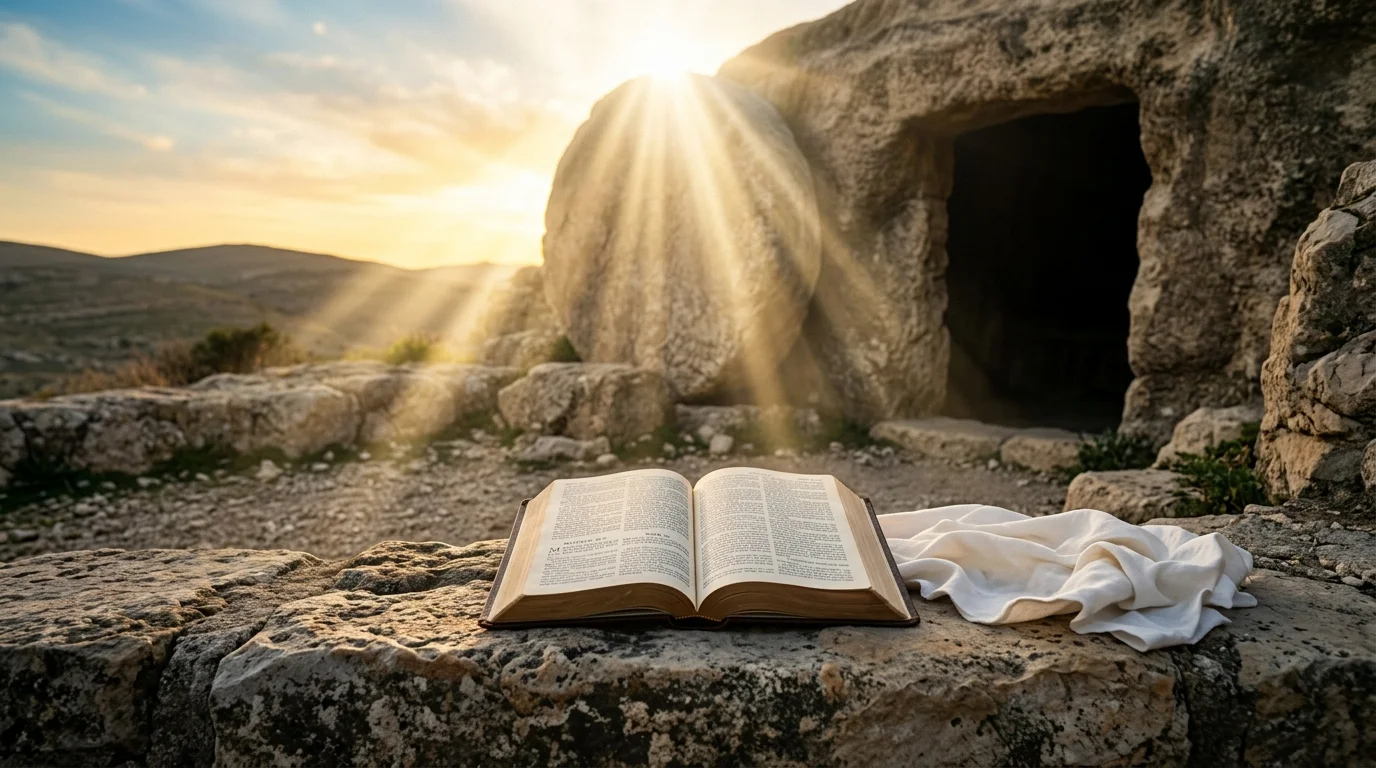
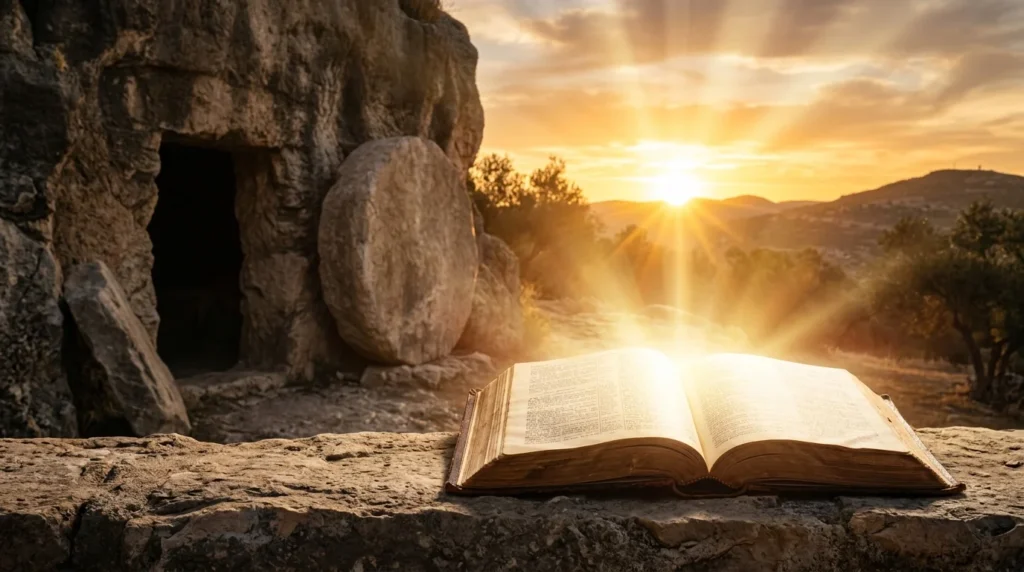
When most people ask about the meaning of resurrection in scripture, they’re really asking about the resurrection of Jesus Christ. This event is recorded in all four Gospels Matthew, Mark, Luke, and John each offering slightly different details but agreeing on the core truth: Jesus was crucified, buried, and on the third day, His tomb was found empty. He then appeared to His disciples and followers over a period of about 40 days before ascending into heaven.
Why the Resurrection of Jesus Matters So Much
The resurrection isn’t treated as a minor miracle in the Bible it’s treated as the turning point of human history. Here’s why it holds such enormous weight:
- It confirms Jesus’s identity. His rising from the dead is presented as proof that He truly was who He claimed to be the Son of God.
- It validates His teachings. If Jesus had stayed dead, His words would carry far less authority. The resurrection backs up everything He taught.
- It defeats death itself. In Christian theology, death entered the world through sin, and resurrection is the reversal of that curse.
- It offers hope for eternal life. Because Jesus rose, believers are promised that they too will rise.
The apostle Paul put it directly in his letter to the Corinthians, arguing that faith itself would be empty and pointless if Christ had not actually risen from the grave. That’s how central this event is to the entire structure of Christian belief.
Resurrection in the Old Testament: Early Hints and Foreshadowing
While the resurrection of Jesus takes center stage in the New Testament, the concept of resurrection didn’t appear out of nowhere. There are meaningful hints and early expressions of resurrection hope scattered throughout the Old Testament.
Job’s Hope Beyond the Grave
One of the earliest expressions of resurrection hope comes from the Book of Job, where Job expresses confidence that even after his body has decayed, he will somehow see God with his own eyes. This is often cited as one of the oldest glimpses of resurrection faith in scripture.
The Prophets and the Valley of Dry Bones
The prophet Ezekiel’s famous vision of the valley of dry bones is one of the most vivid Old Testament pictures connected to resurrection. In this vision, a field of scattered, lifeless bones is brought back together, covered in flesh, and given breath symbolizing not just physical resurrection but the spiritual restoration of a nation.
Daniel’s Prophecy
The Book of Daniel contains one of the clearest Old Testament references to a future resurrection, describing a time when those who sleep in the dust of the earth will awaken some to everlasting life and others to shame. This passage is often pointed to as a direct precursor to New Testament resurrection theology.
Isaiah’s Promise
Isaiah also speaks of the dead living again and bodies rising, offering comfort and hope to a suffering people. These Old Testament passages laid the theological groundwork that Jewish and later Christian communities would build upon.
Resurrections Performed by Jesus During His Ministry
Before His own resurrection, Jesus performed several resurrections of others, demonstrating His authority over death long before Easter morning. These moments are important to understanding the full resurrection meaning in the Bible, because they show resurrection wasn’t just a future promise it was something Jesus actively demonstrated.
Lazarus
Perhaps the most famous example is the raising of Lazarus, a close friend of Jesus who had been dead for four days. Jesus called him out of the tomb, and Lazarus walked out still wrapped in his burial cloths. This miracle is often seen as a preview of Jesus’s own resurrection and a powerful sign of His divine authority.
Jairus’s Daughter
Jesus also raised a young girl, the daughter of a synagogue leader named Jairus, shortly after she had died. He took her by the hand and told her to get up, and she immediately returned to life.
The Widow’s Son at Nain
In another account, Jesus encountered a funeral procession for a widow’s only son. Moved with compassion, Jesus touched the coffin and commanded the young man to rise and he did.
Each of these events pointed forward to the ultimate resurrection story: Jesus’s own rising from the dead.
The Resurrection of Believers: A Future Hope
Beyond the historical resurrections recorded in scripture, the Bible also teaches about a future, final resurrection that awaits all believers. This is often referred to as the “resurrection of the dead” or the “general resurrection,” and it’s a core part of Christian eschatology (the study of end times).
Key Aspects of the Future Resurrection
- A transformed body. Paul describes this resurrection body as imperishable, glorious, and powerful very different from our current mortal, decaying bodies.
- Victory over death. The resurrection is described as the moment death itself is finally swallowed up and defeated.
- Reunion and hope. For grieving believers, the promise of resurrection offers comfort that death is not a permanent separation.
- Connection to Christ’s resurrection. Jesus’s rising is described as the “firstfruits” of this future resurrection meaning His resurrection guarantees and previews what will happen to believers.
This future-focused resurrection hope is why funerals in many Christian traditions aren’t just about mourning they’re also about affirming a confident hope in life beyond the grave.
Resurrection vs. Immortality of the Soul: An Important Distinction
One common area of confusion when studying the resurrection meaning in the Bible is the difference between resurrection and simply believing in an immortal soul that floats off to heaven.
Biblical resurrection isn’t primarily about a disembodied spirit living on forever it’s about the body being physically restored, transformed, and reunited with life. This is a distinctly Jewish and Christian idea, different from many other ancient beliefs about the afterlife.
Here’s a simple breakdown of the difference:
| Concept | Focus | Biblical Basis |
| Immortality of the soul | Spirit continues without a body | More common in Greek philosophy |
| Bodily resurrection | Physical body is restored and transformed | Central to Old and New Testament teaching |
This distinction matters because it shapes how Christians understand the afterlife not as an escape from physical existence, but as its ultimate restoration.
Symbolic and Spiritual Meanings of Resurrection
Beyond the literal, physical meaning, resurrection also carries deep symbolic weight throughout scripture. It’s often used as a metaphor for:
- Spiritual rebirth Being “raised” from a life of sin into a new way of living
- Renewed hope Rising from despair, failure, or hardship
- Restoration National or personal restoration after loss or exile
- Transformation Leaving an old identity behind for a new one
Paul frequently uses resurrection language to describe the Christian’s new life, suggesting that believers are spiritually raised with Christ even before their physical resurrection occurs. This means resurrection isn’t only a future event it’s also something that can shape a person’s life and identity right now.
Why the Resurrection Still Matters Today
It would be easy to treat resurrection as an ancient theological debate with little relevance to modern life. But for millions of people, this concept continues to shape how they face hardship, loss, and even everyday challenges.
Here’s why the resurrection meaning in the Bible continues to resonate:
- It offers comfort in grief. Believing that death isn’t the end changes how people process loss.
- It provides purpose. If life continues beyond death, everyday choices carry lasting significance.
- It inspires courage. Many historical figures faced persecution and hardship with confidence because of resurrection hope.
- It shapes celebration. Easter, the most significant celebration in the Christian calendar, exists entirely because of this belief.
Even for those who approach the Bible from a historical or literary perspective rather than a faith-based one, understanding resurrection is essential to understanding Western religious thought, art, literature, and culture.
Common Misunderstandings About Biblical Resurrection
Because resurrection is such a rich and layered topic, it’s easy for misunderstandings to creep in. Here are a few worth clearing up:
- Resurrection is not the same as reincarnation. Reincarnation involves a soul returning in a new body or form. Biblical resurrection involves the same body being restored and transformed.
- Resurrection is not just a metaphor. While it does carry symbolic meaning, the Bible presents Jesus’s resurrection as a real, historical, bodily event.
- Resurrection is not resuscitation. The people Jesus raised (like Lazarus) eventually died again. Jesus’s own resurrection, by contrast, is described as permanent He would never die again.
Clearing up these distinctions helps readers engage with the topic more accurately and thoughtfully.
How to Study Resurrection in Your Own Bible Reading
If you’re interested in exploring this topic more deeply on your own, here are a few practical tips:
- Start with the Gospel accounts. Read the resurrection narratives in Matthew, Mark, Luke, and John side by side to notice similarities and unique details.
- Read Paul’s letters. His writings, especially his teaching on resurrection to the Corinthian church, offer the clearest theological explanation of what resurrection means and why it matters.
- Trace the Old Testament roots. Look at passages from Job, Isaiah, Ezekiel, and Daniel to see how resurrection hope developed over time.
- Journal your reflections. Write down how the idea of resurrection challenges or encourages your own perspective on life and death.
- Discuss with others. Bible studies and small groups often bring fresh insight you might not find studying alone.
Frequently Asked Questions About Resurrection Meaning in the Bible
1. What does resurrection mean in the Bible?
Resurrection in the Bible refers to the rising of a dead person back to bodily life. The most significant example is Jesus Christ’s resurrection three days after His crucifixion, which is central to Christian faith and theology.
2. Where in the Bible is resurrection first mentioned?
Some of the earliest hints of resurrection hope appear in the Book of Job, while clearer prophetic references appear in Isaiah, Ezekiel, and Daniel in the Old Testament.
3. Why is Jesus’s resurrection so important?
Jesus’s resurrection confirms His identity as the Son of God, validates His teachings, and is seen as proof of victory over death and sin forming the foundation of Christian hope for eternal life.
4. Did anyone else rise from the dead in the Bible besides Jesus?
Yes. Jesus raised Lazarus, Jairus’s daughter, and the widow’s son at Nain. However, these individuals eventually died again, unlike Jesus, whose resurrection is described as permanent.
5. What is the difference between resurrection and reincarnation?
Resurrection involves the same physical body being restored and transformed, while reincarnation involves a soul returning to life in a completely new or different body. Biblical resurrection is a distinct, one-time restoration, not a repeated cycle.
6. What does the resurrection mean for believers today?
For believers, resurrection offers hope that physical death is not the end. It promises a future bodily resurrection and reinforces the idea that life, meaning, and identity continue beyond the grave.
7. Is resurrection only a future event, or does it apply to life now?
Both. While the Bible teaches a literal future resurrection of believers, it also uses resurrection symbolically to describe spiritual renewal and transformation in a believer’s current life.
Final Thoughts:
So, what is the resurrection meaning in the Bible, when you step back and look at the whole picture? It’s far more than a single miraculous event it’s a thread that runs through the entire biblical story, from early hints in the Old Testament to its climactic fulfillment in Jesus Christ, and finally to the promised future resurrection of all believers.
Resurrection speaks to some of the deepest questions humans ask: What happens after death? Is there hope beyond loss? Does life have lasting meaning? For readers of scripture, the answer offered again and again is a resounding yes death does not get the final word.

Hi, I’m Daniel Foster, a writer at GrasePath.com. I enjoy exploring the deeper meanings of biblical words, names, symbols, and verses to help readers better understand Scripture. My goal is to present accurate, easy-to-read, and well-researched content that makes the Bible more accessible for everyone. Through every article, I strive to provide clear explanations, meaningful insights, and trustworthy information to support your faith and Bible study journey.