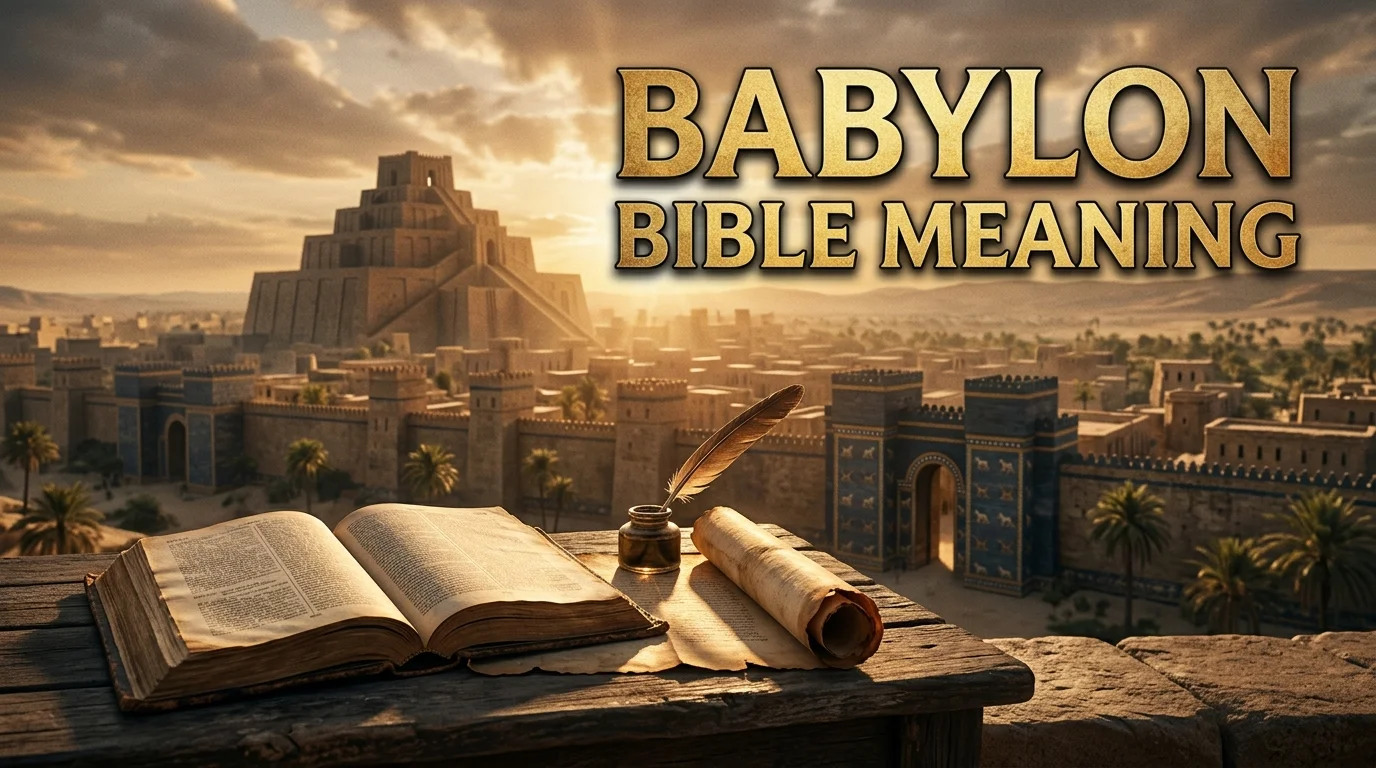
Have you ever come across the word “Babylon” in the Bible and wondered why it keeps showing up, chapter after chapter, almost like a recurring character in a long, dramatic story? You are not alone. From the Tower of Babel in Genesis to the fall of “Babylon the Great” in Revelation, this one word carries an incredible amount of weight in Scripture.
Understanding the babylon bible meaning is like holding a key that unlocks some of the Bible’s most powerful themes: pride, rebellion, judgment, exile, and ultimately, redemption.
In this article, we are going to unpack everything you need to know about Babylon’s meaning in the Bible its history, its symbolism, and why it still matters to readers today. Whether you are a curious beginner, a Bible study leader, or someone who just heard the term in a sermon and wants clarity, this guide will walk you through it in simple, everyday language.
What Is Babylon in the Bible? A Quick Overview
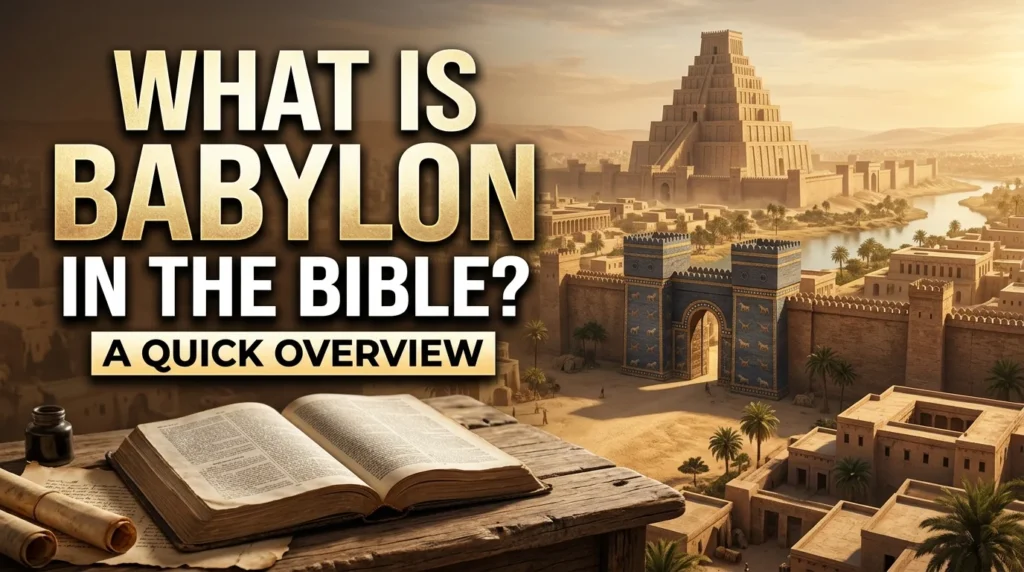
Babylon was a real, historical city located in ancient Mesopotamia, near the Euphrates River in what is now modern-day Iraq. But in the Bible, Babylon is much more than a dot on a map. It functions as both a literal empire and a powerful symbol.
There are essentially two layers to understanding Babylon in Scripture:
- The historical Babylon an actual ancient civilization and later empire that conquered Judah, destroyed the Temple in Jerusalem, and took the Israelites into exile.
- The symbolic Babylon a spiritual metaphor used throughout the Bible (especially in Revelation) to represent human pride, idolatry, oppression, and rebellion against God.
Grasping both of these layers is essential if you want to truly understand what Babylon represents from Genesis all the way to Revelation.
The Origins of Babylon: The Tower of Babel
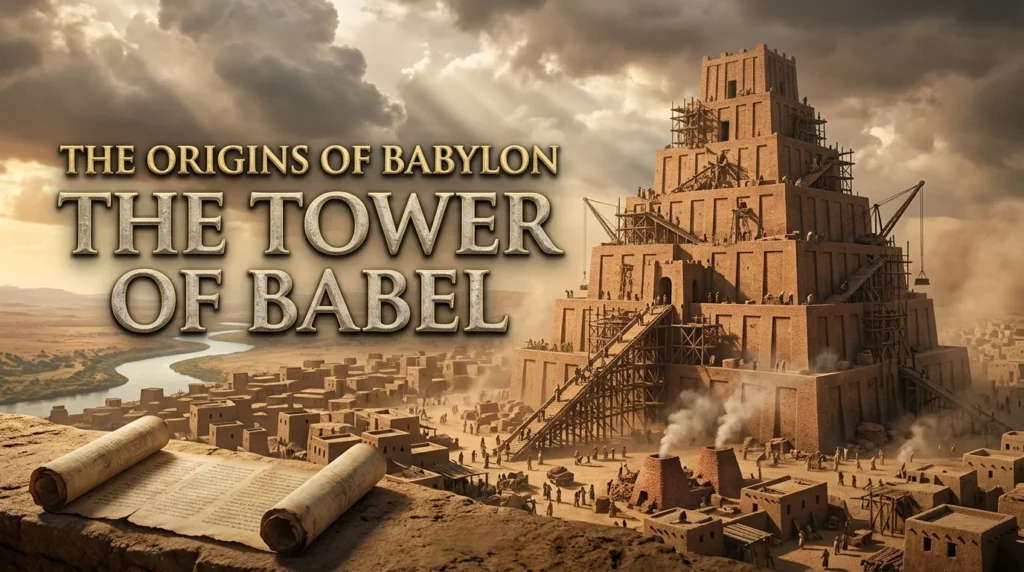
The story of Babylon actually begins very early in the Bible, in Genesis 11, with the famous account of the Tower of Babel. After the flood, humanity gathered in the plain of Shinar and decided to build a city with a tower “that reaches to the heavens” so they could make a name for themselves.
This wasn’t just an ambitious construction project. It was an act of collective pride humanity trying to elevate itself to divine status and resist God’s command to spread out and fill the earth. God responded by confusing their language, scattering the people, and the city became known as “Babel,” which sounds like the Hebrew word for “confusion.”
This origin story sets the tone for everything Babylon comes to represent later in Scripture:
- Human pride and self-glorification
- Rebellion against God’s plan
- Confusion and division as consequences of sin
It’s worth noting that many Bible scholars believe the name “Babel” is actually connected to “Bab-ili,” an ancient term meaning “gate of god” or “gate of the gods.” So ironically, a place meant to be a gateway to divine greatness became a symbol of human arrogance instead.
Babylon as a Historical Empire
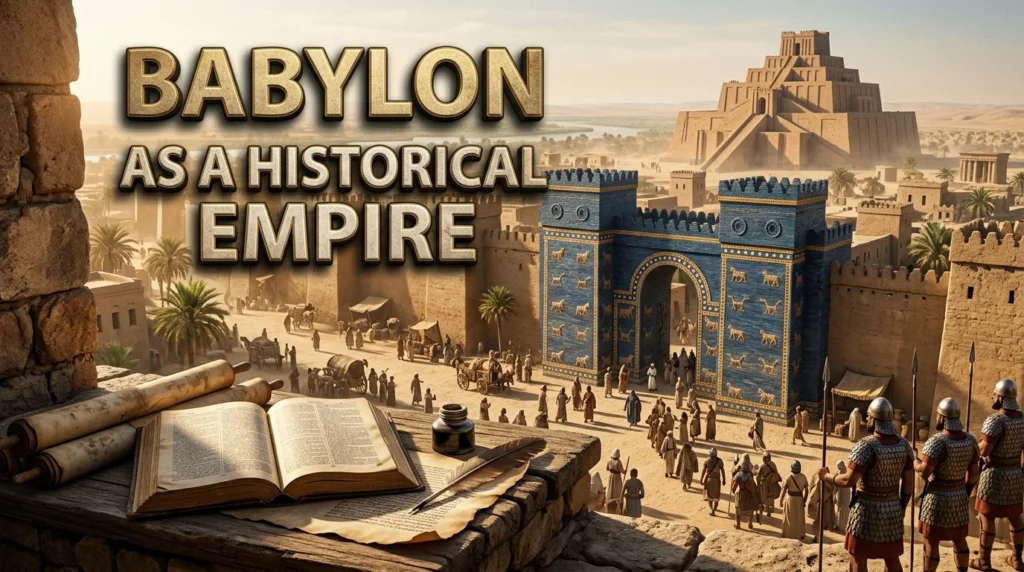
Centuries after the Tower of Babel account, Babylon reappears in the Bible as a dominant political and military power. Under King Nebuchadnezzar II, the Babylonian Empire became one of the most feared forces in the ancient Near East.
The Babylonian Conquest of Judah
In 586 BC, Babylon’s armies destroyed Jerusalem, burned Solomon’s Temple to the ground, and carried the Israelites off into what is now known as the Babylonian Exile. This was one of the most traumatic events in Israel’s history, and it’s referenced throughout the Old Testament, especially in books like:
- 2 Kings which records the political events of the conquest
- Jeremiah where the prophet warns of Babylon’s coming judgment on Judah
- Daniel which is set almost entirely within the Babylonian royal court
- Psalm 137 a heartbreaking lament of exiles weeping “by the rivers of Babylon”
During this exile, Babylon became more than a geopolitical enemy. It became a symbol of captivity, loss, and separation from the Promised Land. Yet interestingly, the Bible also shows God using this pagan empire as an instrument of discipline for His people, and later, as the very place where faithful figures like Daniel, Shadrach, Meshach, and Abednego demonstrated unwavering loyalty to God even in a foreign land.
Life for the Israelites in Babylon
Not everything about the exile was purely negative. Many Israelites built lives, families, and even influence within Babylonian society. The prophet Jeremiah actually encouraged the exiles to settle in, build houses, plant gardens, and seek the peace of the city they were living in (Jeremiah 29:4-7). This shows a fascinating tension in the babylon bible meaning it was simultaneously a place of judgment and a place where God’s people could still thrive under His providence.
Babylon’s Symbolic Meaning in Prophetic Literature
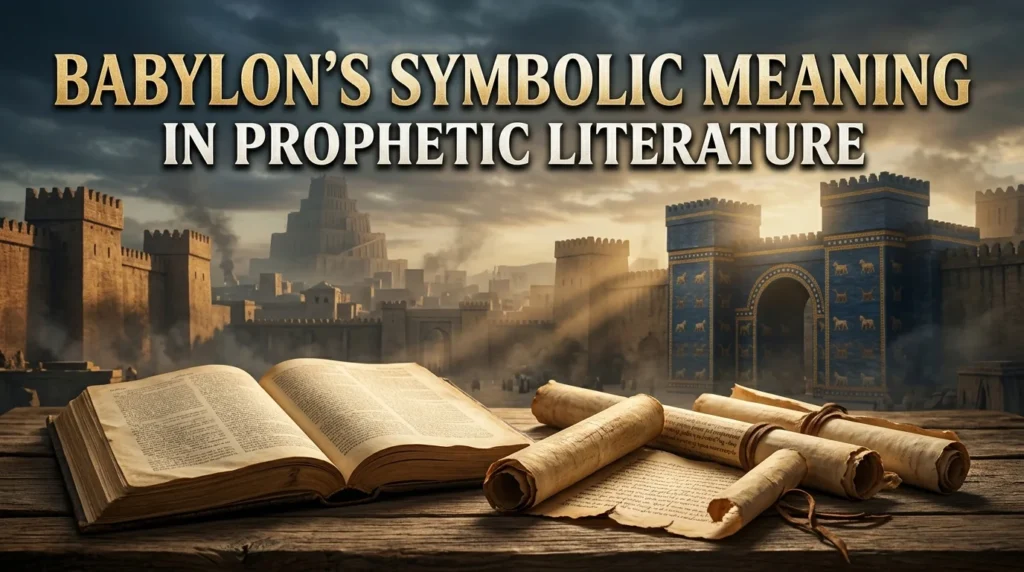
As the Old Testament progresses, Babylon increasingly becomes shorthand for something much bigger than a physical empire. Prophets like Isaiah and Jeremiah pronounce dramatic judgments against Babylon, predicting its eventual downfall despite its seemingly unshakable power.
Isaiah 13 and 14, for example, describe Babylon’s fall in vivid, almost cosmic language, even comparing its king to a fallen “morning star” cast down from heaven imagery that later Christian tradition connects to the fall of Satan himself.
This is where Babylon starts to transform from a historical place into a theological symbol representing:
- Worldly power that opposes God
- Idolatry and false worship
- Arrogant self-sufficiency
- Systems of oppression and exploitation
By the time we reach the New Testament, this symbolic meaning is fully developed.
Babylon in the Book of Revelation: The Ultimate Symbol
If you have ever heard someone refer to “Babylon the Great” or “the Whore of Babylon,” they are almost certainly talking about the Book of Revelation, specifically chapters 17 and 18. This is where the babylon bible meaning reaches its most vivid and dramatic expression.
Who or What Is “Babylon the Great”?
In Revelation, Babylon is personified as a woman often called the “Great sex worke” who sits on a scarlet beast and is dressed in purple and scarlet, adorned with gold, jewels, and pearls. She holds a golden cup “full of abominations and the impurities of her sexual immorality,” and she is described as being drunk with the blood of the saints.
This is intense, symbolic imagery, and Bible scholars have debated its exact meaning for centuries. However, most interpretations agree that “Babylon the Great” represents:
- A corrupt world system built on materialism, idolatry, and moral compromise
- Political and economic power that opposes God’s kingdom
- Spiritual unfaithfulness, much like Israel’s prophets used “adultery” to describe idolatry
- Possibly a direct reference to the Roman Empire, which many early Christians saw as the “new Babylon” persecuting the church
The Fall of Babylon in Revelation 18
Revelation 18 describes Babylon’s dramatic collapse in poetic, almost funeral-like language. Merchants, sailors, and kings mourn her fall because they profited from her wealth and luxury. This chapter serves as a warning against putting trust in worldly systems, wealth, and power instead of God.
The core message here is timeless: any system, culture, or nation that exalts itself above God and exploits others for gain will eventually fall, no matter how invincible it appears.
Key Themes Behind the Babylon Bible Meaning
To really grasp why Babylon matters so much in Scripture, it helps to break down the major themes it represents throughout the entire Bible narrative.
1. Human Pride Versus Divine Sovereignty
From the Tower of Babel to the fall of the empire under Nebuchadnezzar, Babylon consistently represents humanity’s attempt to build greatness apart from God and God’s ultimate authority over even the mightiest human achievements.
2. Exile and Longing for Home
For the Israelites, Babylon symbolized displacement and grief, but also hope. Their longing to return to Jerusalem mirrors a spiritual theme found throughout Scripture: believers as “exiles” longing for their true home with God.
3. Idolatry and False Worship
Babylon was famous for its many gods, temples, and religious practices that stood in direct opposition to worship of the one true God. This is why Babylon becomes a fitting symbol for any system that replaces God with false idols whether that’s wealth, power, or self.
4. Judgment and Justice
Time and again, Scripture promises that Babylon’s power will not last forever. This reflects a broader biblical truth: injustice and oppression may seem to win in the short term, but God’s justice ultimately prevails.
5. Redemption Even in Exile
Perhaps one of the most encouraging aspects of the Babylon narrative is that even in a foreign, hostile land, God’s people were not abandoned. Figures like Daniel rose to positions of influence, and God continued to work through His people even during their darkest season.
Real-Life Applications: Why Babylon’s Meaning Still Matters Today
You might be wondering, “This is all interesting history and symbolism, but how does it apply to my life today?” That’s a great question, and honestly, it’s one worth sitting with.
Here are a few practical ways the babylon bible meaning speaks into modern life:
- Watch out for pride. Just like the builders of Babel wanted to “make a name for themselves,” it’s easy to chase success, status, or recognition in ways that quietly push God to the side.
- Don’t be defined by your circumstances. The Israelites in exile learned to live faithfully even in a place that wasn’t home. Many people today feel like they are living in a “Babylon” season a hard, unfamiliar, or unwanted circumstance and the exile story offers a model for staying grounded in faith anyway.
- Be discerning about cultural values. Revelation’s warning about “Babylon the Great” challenges believers to examine whether they are being shaped more by consumerism, materialism, or worldly values than by godly wisdom.
- Trust that oppressive systems don’t have the final word. Whether it’s corruption, injustice, or exploitation, the biblical pattern shows that these things do not last forever under God’s sovereign timeline.
Babylon vs. Zion: A Biblical Contrast
One helpful way to understand Babylon’s symbolic role is to compare it with its biblical opposite: Zion, another name closely associated with Jerusalem and God’s presence among His people.
| Babylon | Zion |
| Represents human pride and rebellion | Represents God’s presence and faithfulness |
| Built by human ambition | Established by God’s covenant |
| Associated with exile and confusion | Associated with home and restoration |
| Symbol of a corrupt world system | Symbol of God’s eternal kingdom |
This contrast runs like a thread through the entire Bible, ultimately culminating in Revelation’s vision of the “New Jerusalem” descending from heaven the final and complete opposite of Babylon’s fall.
Common Misunderstandings About Babylon’s Meaning
Because Babylon shows up in so many different contexts, it’s easy to get confused about what it actually means in any given passage. Here are a few clarifications worth keeping in mind:
- Babylon is not always symbolic. In many Old Testament passages, especially historical books, Babylon refers to an actual empire and city, not a metaphor.
- “Mystery Babylon” in Revelation is debated. Some interpreters connect it specifically to ancient Rome, others to a future global system, and others to a broader spiritual reality that transcends any single nation. It’s wise to hold strong opinions humbly here.
- Babylon isn’t simply “evil” in every sense. The Bible shows nuance God used Babylon for His purposes, and individuals within Babylon (like Daniel’s Babylonian friends and officials) were sometimes shown in a positive or neutral light.
FAQs
1. What does Babylon symbolize in the Bible?
Babylon symbolizes human pride, rebellion against God, idolatry, and worldly power that opposes God’s kingdom. It appears both as a literal ancient empire and as a spiritual metaphor, especially in the Book of Revelation.
2. Why is Babylon important in the Bible?
Babylon is important because it represents a recurring biblical theme: humanity’s tendency to build power and identity apart from God, and God’s ultimate judgment on that kind of pride. It also plays a central historical role in the Israelites’ exile.
3. What is the difference between Babel and Babylon?
Babel and Babylon are closely connected, both linguistically and thematically. Babel refers to the earlier account in Genesis 11 involving the tower and the confusion of languages, while Babylon refers to the later historical empire and its symbolic use throughout the rest of Scripture.
4. Who is “Babylon the Great” in Revelation?
“Babylon the Great” is a symbolic figure described in Revelation 17-18, often interpreted as representing a corrupt world system, idolatrous culture, or oppressive political power that stands opposed to God and His people.
5. Was Babylon a real place?
Yes, Babylon was a real, historically documented city located in ancient Mesopotamia, near the Euphrates River in modern-day Iraq. It became a major empire under rulers such as Nebuchadnezzar II.
6. What does the Babylonian exile mean spiritually?
Spiritually, the Babylonian exile represents separation from God’s presence, discipline for disobedience, and the hope of eventual restoration. It’s often used as a metaphor for seasons of hardship or spiritual distance believers may experience.
7. How does the story of Babylon end in the Bible?
Babylon’s story ends in dramatic downfall, both historically (conquered by the Medo-Persian Empire) and symbolically in Revelation, where “Babylon the Great” collapses entirely, making way for the New Jerusalem a symbol of God’s eternal kingdom.
Final Thoughts
So, what’s the big takeaway here? The babylon bible meaning is far richer than a simple history lesson. Babylon threads its way through the entire biblical story from the prideful builders at the Tower of Babel, to the empire that conquered Jerusalem, to the dramatic symbolic downfall described in Revelation.
At its core, Babylon represents everything that stands in opposition to God: pride instead of humility, idolatry instead of true worship, and worldly power instead of divine justice. Yet woven throughout this story is also a message of hope that no matter how powerful or permanent Babylon seems, it does not have the final word. God’s faithfulness, justice, and restoration always do.

Hi, I’m Daniel Foster, a writer at GrasePath.com. I enjoy exploring the deeper meanings of biblical words, names, symbols, and verses to help readers better understand Scripture. My goal is to present accurate, easy-to-read, and well-researched content that makes the Bible more accessible for everyone. Through every article, I strive to provide clear explanations, meaningful insights, and trustworthy information to support your faith and Bible study journey.