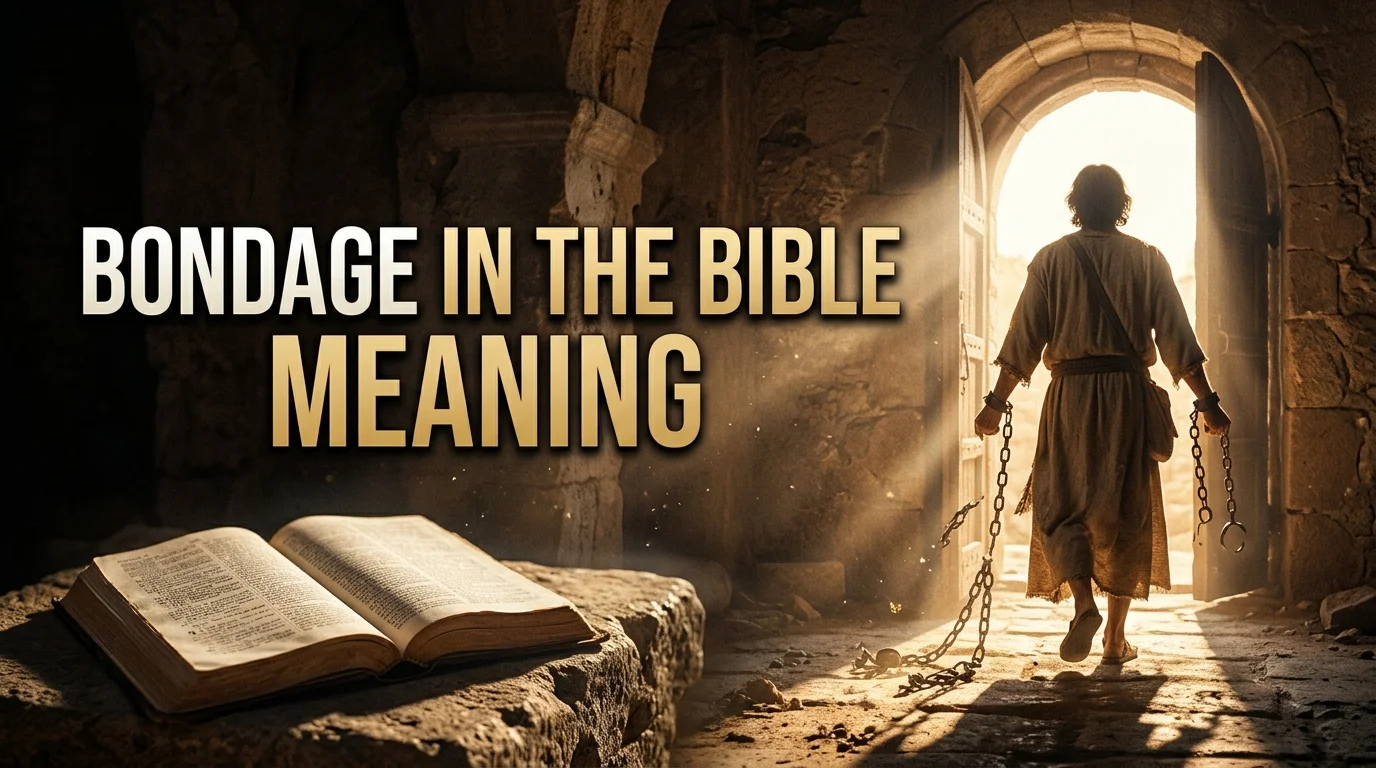
Freedom is a powerful theme throughout Scripture, and the Bible often uses the word “bondage” to describe situations in which people are held captive, controlled, or unable to live freely. Bondage in the Bible meaning goes beyond physical slavery; it can also refer to spiritual captivity, the power of sin, fear, and the burden of living under rules or conditions that prevent people from experiencing God’s freedom.
One of the clearest examples appears in Exodus, where the Israelites suffer under slavery in Egypt until God delivers them through Moses. Their journey illustrates God’s power to rescue people from oppression and lead them toward freedom. In the New Testament, bondage also takes on a spiritual meaning. Romans 6:16–18 explains how people can become enslaved to sin but can experience freedom through obedience to God.
Similarly, Galatians 5:1 encourages believers to stand firm in the freedom Christ provides rather than returning to a yoke of slavery. These passages show that biblical bondage can describe both outward oppression and inward spiritual struggles. Understanding the context of each verse is important because the Bible discusses different forms of captivity and freedom.
What Does Bondage Mean in the Bible?
At its core, the term “bondage” refers to a state of being enslaved, restrained, or held captive whether physically, emotionally, or spiritually. When we look at bondage in the bible meaning, it’s important to recognize that scripture uses this word in more than one sense.
There are generally three ways bondage appears throughout the biblical text:
- Physical bondage literal slavery or captivity, such as the Israelites’ enslavement in Egypt.
- Spiritual bondage being enslaved to sin, fear, guilt, or destructive habits.
- Symbolic bondage a metaphor used by biblical writers to describe separation from God or a life lived apart from His purpose.
Each of these categories tells its own story, but they’re all connected by a common thread: the longing for freedom and the hope of deliverance. This is why bondage is one of the most recurring themes across both the Old and New Testaments.
The Hebrew and Greek Roots of the Word
To really grasp the depth of this concept, it helps to look at the original languages scripture was written in.
In the Old Testament, the Hebrew word often translated as “bondage” is ebed or abad, which relates to servitude, slavery, or forced labor. This word appears frequently in the story of the Israelites’ time in Egypt, where they were subjected to harsh, forced labor under Pharaoh’s rule.
In the New Testament, the Greek word douleia is commonly translated as “bondage.” This term carries the idea of slavery, but it’s frequently used in a spiritual sense referring to being enslaved to sin, fear, or the law rather than physical chains.
Understanding these linguistic roots helps clarify why the concept of bondage shows up in such different contexts throughout scripture, yet always circles back to themes of captivity and liberation.
Physical Bondage in the Old Testament
One of the most well-known examples of physical bondage in scripture is the story of the Israelites’ enslavement in Egypt. This account, found primarily in the book of Exodus, sets the stage for understanding how God’s people experienced literal, historical bondage.
The Israelites’ Bondage in Egypt
According to the biblical narrative, the Israelites lived in Egypt for centuries, eventually falling under the harsh rule of a Pharaoh who “did not know Joseph.” Fearful of their growing numbers, the Egyptians forced the Israelites into brutal labor, making their lives bitter with hard service.
This period of bondage wasn’t just a footnote in history it became a defining moment for the entire nation of Israel. Their eventual deliverance through Moses, culminating in the parting of the Red Sea, became one of the most celebrated acts of divine intervention in the entire Bible.
Key elements of this story include:
- The Israelites’ cries for help reaching God amid their suffering
- Moses being called to lead them out of slavery
- The ten plagues that ultimately convinced Pharaoh to release them
- The Exodus itself, marking their transition from bondage to freedom
This historical account isn’t just about ancient history it becomes a powerful metaphor used throughout the rest of scripture to describe spiritual liberation as well.
Slavery and Servitude Laws in the Old Testament
Beyond the Exodus story, the Old Testament also contains various laws regulating servitude and bondage among the Israelites themselves. These laws, found in books like Leviticus and Deuteronomy, established guidelines for how servants should be treated, including provisions for their eventual release.
For example, Hebrew servants were typically required to be freed after six years of service, reflecting a built-in system that prevented permanent enslavement among the Israelite community. This stands in contrast to the harsher treatment they experienced under Egyptian rule, highlighting a shift toward more humane treatment within their own society.
Spiritual Bondage: The Deeper Meaning
While physical bondage plays a significant role in biblical history, the concept takes on an even richer meaning when we explore its spiritual dimension. This is where bondage in the bible meaning becomes especially relevant to modern readers.
Bondage to Sin
Throughout the New Testament, writers like Paul frequently describe bondage as a spiritual condition specifically, being enslaved to sin. This isn’t about physical chains but rather an internal struggle where a person feels trapped by destructive patterns, guilt, or moral failure.
Paul’s letters, particularly Romans, describe this inner conflict vividly. He speaks of wanting to do good but finding himself unable to escape the pull of sinful behavior a struggle many people can relate to even today.
This spiritual bondage manifests in different ways:
- Addiction to harmful habits or substances
- Persistent feelings of shame or unworthiness
- Being controlled by anger, bitterness, or unforgiveness
- Living in constant fear of judgment or punishment
Bondage to Fear
Another significant form of spiritual bondage mentioned in scripture is bondage to fear. This idea suggests that fear itself can become a kind of prison, keeping people from experiencing peace, freedom, and a full relationship with God.
The book of Hebrews touches on this theme, describing how fear of death once held people in a lifelong state of slavery until freedom was made possible through faith. This concept resonates deeply with anyone who has felt trapped by anxiety, worry, or dread about the future.
Bondage to the Law
In the New Testament, particularly in Paul’s letter to the Galatians, bondage takes on yet another meaning this time referring to strict adherence to religious law as a means of earning righteousness. Paul argues that trying to achieve salvation purely through following rules and regulations creates its own form of bondage, one that contrasts sharply with the freedom found through faith.
This doesn’t mean the law itself was bad; rather, Paul suggests that relying solely on law-keeping without grace leads to a burdensome, joyless existence rather than genuine spiritual freedom.
Symbolic and Metaphorical Uses of Bondage
Beyond literal and spiritual applications, bondage also appears as a broader symbol throughout scripture, representing anything that separates a person from wholeness, purpose, or connection with God.
Bondage as Separation from God
In many passages, bondage symbolizes a state of spiritual disconnect living life apart from God’s intended purpose. This isn’t always about specific sins but can represent a general condition of feeling lost, purposeless, or disconnected from meaning.
This symbolic use of bondage often appears alongside themes of:
- Exile and wandering
- Spiritual blindness or confusion
- Broken relationships and community division
- A longing for restoration and belonging
Bondage and the Human Condition
Many theologians interpret bondage as a broader commentary on the human condition itself the idea that people are naturally inclined toward behaviors, thoughts, and patterns that limit their potential for growth, peace, and connection. This interpretation positions bondage not just as an occasional struggle but as a universal experience that scripture addresses through the promise of transformation.
Freedom and Deliverance: The Other Side of Bondage
You can’t fully understand bondage in scripture without also exploring its counterpart: freedom. Nearly every mention of bondage throughout the Bible is eventually paired with a message of hope, deliverance, or liberation.
The Promise of Deliverance
Just as the Israelites were delivered from physical bondage in Egypt, the New Testament emphasizes deliverance from spiritual bondage through faith. This recurring pattern bondage followed by freedom forms one of the central narratives running through the entire biblical text.
Some key examples include:
- The Exodus as a symbol of liberation from oppression
- Jesus’s teachings on setting people free from sin and shame
- Paul’s writings on freedom from the law through grace
- The promise of eventual freedom from suffering and death itself
What True Freedom Looks Like
According to scripture, true freedom isn’t about the absence of rules or structure it’s about living with purpose, peace, and connection rather than being controlled by fear, guilt, or destructive patterns. This distinction is important because it reframes freedom not as reckless independence, but as a restored, healthy way of living.
Real-Life Applications: How This Meaning Applies Today
Understanding bondage in the bible meaning isn’t just an academic exercise it has practical relevance for everyday life. Many people today experience forms of bondage that closely mirror what’s described in scripture, even if the context looks different.
Consider how these modern struggles reflect ancient themes:
- Addiction whether to substances, technology, or unhealthy relationships, many people feel trapped in cycles they can’t seem to break.
- Anxiety and fear persistent worry can function like an invisible prison, limiting how freely someone lives.
- Toxic guilt or shame carrying the weight of past mistakes can prevent people from moving forward.
- Perfectionism or legalism feeling like you must earn approval or worth through constant achievement mirrors the “bondage to law” Paul described.
Recognizing these patterns can be the first step toward seeking the kind of freedom scripture consistently points toward one rooted not in willpower alone, but in grace, support, and transformation.
Key Bible Verses That Address Bondage
If you’re studying this topic further, here are some passages worth exploring for a deeper look at how bondage is portrayed throughout scripture:
- Exodus describing the Israelites’ cries during their bondage in Egypt
- Romans Paul’s reflection on the inner struggle with sin
- Galatians a discussion on bondage to the law versus freedom through faith
- Hebrews addressing bondage rooted in the fear of death
- John teachings on truth leading to freedom
Reading these passages in context can offer a fuller picture of how bondage functions as both a historical reality and a spiritual metaphor throughout the biblical narrative.
Tips for Studying This Topic Further
If you want to go deeper into understanding bondage in scripture, here are a few practical tips:
- Read passages in context don’t isolate a single verse; look at the surrounding chapters to understand the full story.
- Compare Old and New Testament references notice how the theme evolves from literal slavery to spiritual metaphor.
- Use a concordance or study bible these tools can help you trace the original Hebrew and Greek words for deeper insight.
- Reflect personally consider areas in your own life where you might relate to themes of bondage and freedom.
- Discuss with others group study or conversation can reveal perspectives you might not have considered on your own.
Frequently Asked Questions
What is the biblical definition of bondage?
The biblical definition of bondage generally refers to a state of being enslaved or restrained, whether physically (such as historical slavery) or spiritually (such as being controlled by sin, fear, or guilt).
What is spiritual bondage according to the Bible?
Spiritual bondage refers to being controlled or trapped by destructive patterns like sin, fear, shame, or legalistic thinking, rather than living in freedom and grace.
How does the story of Israel relate to bondage in the Bible?
The Israelites’ enslavement in Egypt is one of the most significant examples of physical bondage in scripture, symbolizing both literal captivity and a broader theme of deliverance that echoes throughout the rest of the Bible.
What does it mean to be free from bondage in a biblical sense?
Being free from bondage means living without being controlled by sin, fear, guilt, or destructive habits instead experiencing peace, purpose, and connection through faith.
Is bondage always negative in the Bible?
While bondage generally carries a negative connotation of captivity or restriction, some Old Testament laws regulated servitude in ways meant to protect and limit harm, showing a more nuanced use of the term.
How does Paul describe bondage in his letters?
Paul often describes bondage as being enslaved to sin or to strict legalistic observance of the law, contrasting this with the freedom believers can experience through faith and grace.
Why is understanding bondage important for modern readers?
Understanding bondage helps modern readers relate ancient spiritual struggles to present-day issues like addiction, anxiety, and guilt, offering insight into both the problem and the path toward freedom.
Final Thoughts
Exploring bondage in the bible meaning reveals a theme far richer than a single definition could capture. From the literal chains of slavery in Egypt to the invisible grip of fear, guilt, and sin, bondage represents one of the most relatable human struggles found throughout scripture. Yet alongside every mention of bondage comes a consistent, hopeful message: freedom is always possible.
Whether you’re studying this topic for personal growth, academic research, or spiritual reflection, understanding the layered meaning of bondage offers valuable insight into both ancient history and timeless human experience. As scripture consistently reminds us, no form of bondage physical, emotional, or spiritual has the final word. Freedom, restoration, and hope remain central themes woven throughout the biblical narrative.

James Parker is a Bible writer at GrasePath.com who loves exploring the deeper meaning of Scripture. He shares clear, trustworthy insights about biblical names, symbols, dreams, and spiritual teachings in simple language. His mission is to help readers strengthen their faith and better understand God’s Word every day.