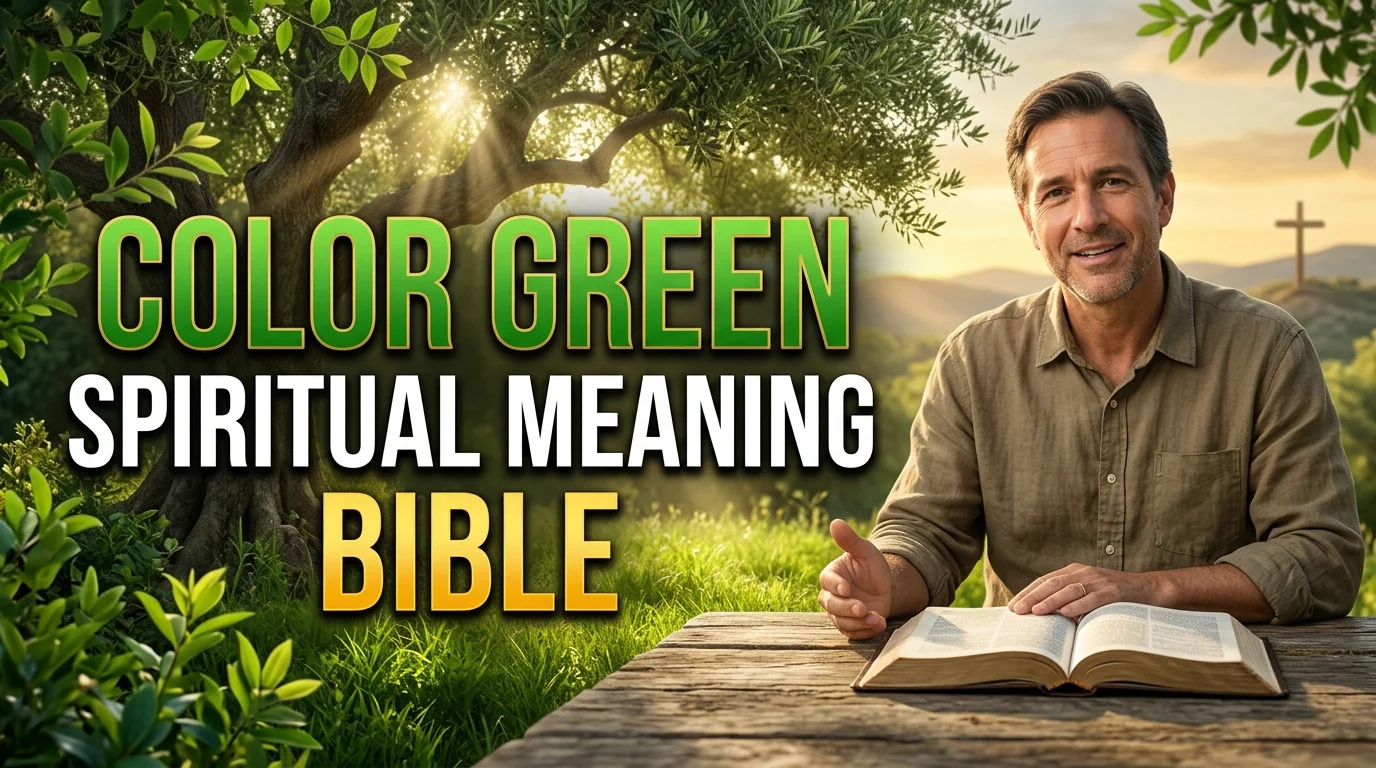
Have you ever walked through a fresh spring field after a long winter and felt something stir deep inside? That vibrant green covering the earth isn’t just prettyit’s packed with meaning. When we dig into the color green spiritual meaning Bible, we discover a rich tapestry of life, growth, hope, and God’s constant provision.
From the very first pages of Scripture to the closing visions of Revelation, green shows up as a powerful reminder that God is in the business of making things flourish.
In this post, we’ll explore what the Bible really says about green. We’ll look at key verses, the original Hebrew and Greek words, the positive and cautionary sides of the color, and how these truths can shape the way we live today. Whether you’re studying Scripture, seeking spiritual insight, or simply curious about biblical colors, you’ll find practical takeaways and deeper understanding here.
Understanding Green in Scripture: An Overview of the Color Green Spiritual Meaning Bible
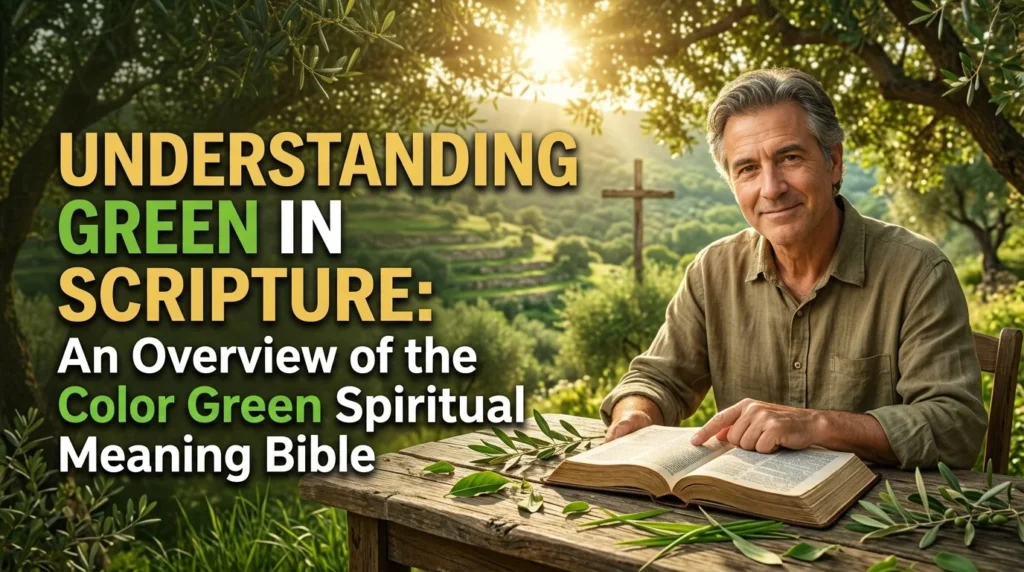
The color green appears roughly 41 to 44 times in the King James Version of the Bible, depending on how related terms like “greenish” and “greenness” are counted. Most of these mentions are in the Old Testament. The book of Jeremiah references it the most, followed by Leviticus, Job, and the Psalms. In the New Testament, green shows up only a handful of timesyet those few appearances carry heavy weight.
Green is never just decoration in the Bible. It almost always points to something alive, growing, or under God’s care. Think about the arid climate of ancient Israel. In a dry land, a patch of green grass or a leafy tree stood out as a clear sign of water, blessing, and life. That real-world reality shaped the spiritual symbolism.
At its core, the color green spiritual meaning Bible centers on life and flourishing. It speaks of God’s provision for both body and soul. It also carries notes of hope, restoration, and even resurrection. At the same time, Scripture is honest enough to show the other sidewhen green fades, withers, or takes on a sickly tone, it can signal judgment, frailty, or death.
This dual nature keeps the symbolism grounded. Green is not a magic charm. It is a visual language God uses to teach us about His character and our response to Him.
Key Hebrew and Greek Words Behind the Color
To grasp the full picture, it helps to look at the original languages.
In Hebrew, several words get translated as “green”:
- Ra’anan (or raanan) appears about 20 times. It means verdant, fresh, flourishing, or prosperous. This is the word used for healthy trees and thriving people.
- Deshe often refers to tender new grass or green pasturesthe soft, life-giving covering of the ground.
- Other terms like yereq or yarok can describe vegetation or a yellowish-green hue, sometimes with a sense of new or even pale growth.
In Greek, the main word is chloros. It can mean the fresh green of healthy plants, but it can also describe a pale, sickly green. That dual use shows up clearly in the New Testament.
These word choices matter. When the Bible says a tree’s leaves are “always green,” it is not merely describing color. It is painting a picture of vitality that does not depend on perfect circumstances.
Green as a Symbol of Life, Growth, and God’s Provision
One of the strongest threads in the color green spiritual meaning Bible is life itself. Right at the beginning, in Genesis, God gives “every green plant for food” to humans and animals. Green vegetation is the foundation of physical life on earth. It is also the first color named in the King James text in the context of God’s care for His newly created people.
Psalm 23 gives us one of the most beloved images: “He makes me lie down in green pastures.” David, a former shepherd, knew exactly what those words meant. In the dry hills of Judah, green pastures were not guaranteed. They appeared after rain, in specific seasons, and only under a shepherd’s careful leading. The picture is one of rest, safety, and abundant nourishmentboth physical and spiritual. God does not just keep us alive; He leads us to places of flourishing.
Jeremiah 17:7-8 builds on the same idea. The person who trusts in the Lord is “like a tree planted by the water that sends out its roots by the stream. It does not fear when heat comes; its leaves are always green. It has no worries in a year of drought and never fails to bear fruit.” Notice the contrast. Heat and drought still come. Yet the tree stays green. The source of life is deeper than the surface conditions.
Psalm 1 paints a similar portrait of the righteous person: a tree planted by streams of water, whose leaf does not wither. Psalm 92 promises that the righteous will still bear fruit in old age and stay “fresh and green.” These verses connect green with longevity, fruitfulness, and ongoing spiritual vitality.
Green also points to prosperity and abundance. In a land where green was rare, a flourishing landscape was clear evidence of God’s blessing. The union of Gad settled east of the Jordan partly because the land was rich in green pastures for livestock. The Promised Land itself is described in terms of fertility and waterplaces where green could thrive under God’s care.
Green Pastures and Everyday Spiritual Rest
Many of us know Psalm 23 by heart, but the green pastures still speak freshly. In a hurried world, the invitation to lie down is radical. Green pastures are not places of frantic striving. They are places of trust. The shepherd has already done the work of finding the grass and clearing the dangers. Our part is to follow and rest.
This image can reshape how we view seasons of quiet or even difficulty. Sometimes the “green pasture” is not the absence of trouble but the presence of the Shepherd in the middle of it. Spiritual growth often happens when we stop trying to manufacture our own nourishment and simply receive what God provides.
Renewal, Restoration, and the Hope of New Beginnings
Green is the color of spring. After winter’s brown and gray, the first green shoots announce that life is returning. The Bible leans into this natural reality as a picture of spiritual renewal.
Isaiah and other prophets use images of withered land turning green again when God restores His people. Ezekiel speaks of God making the dry tree flourish and the green tree thrive according to His purpose. The message is clear: God can reverse decline. What looks dead can live again.
This theme finds its fullest expression in the resurrection of Jesus. While the New Testament does not always use the word “green” in connection with Easter, the association is strong in Christian tradition and fits the biblical pattern. Spring green becomes a natural reminder that death does not have the final word. New life is possible because of Christ.
The tree of life in Revelation 22 also carries green imagery. Its leaves are “for the healing of the nations.” Even in the new creation, the color of life and restoration remains. God’s plan is not merely to patch up the old world but to bring lasting flourishing.
Green Olive Trees and Enduring Faithfulness
Psalm 52:8 offers a personal declaration: “But I am like a green olive tree in the house of God; I trust in the steadfast love of God forever and ever.” Olive trees are known for their longevity and resilience. A green olive tree in God’s house speaks of rootedness, fruitfulness, and a life that keeps producing under divine care.
Israel itself is sometimes called a green olive tree. When the people stayed close to God, they flourished. When they turned away, the imagery shifted. The color green therefore becomes both a promise and a call to remain connected to the source of life.
The Cautionary Side of Green: Frailty, Judgment, and the Pale Horse
Honest Bible study requires looking at the full picture. Green is not always positive.
Grass and herbs that are green today can wither tomorrow. Psalm 37 and other passages use this image to describe the temporary nature of human life and the fleeting success of the wicked. “They will soon fade like the grass and wither like the green herb.” The point is not to despair but to keep perspective. What looks vibrant now may not last if it is not rooted in God.
In Leviticus, a greenish discoloration on clothing, leather, or house walls could signal mold or leprosy. The color that usually meant life could also mark uncleanness that needed careful attention and cleansing.
One of the most striking uses appears in Revelation 6. The fourth horseman rides a horse whose color is often translated “pale,” but the Greek word is chlorosthe same word used for green grass elsewhere. Many scholars note that it is a pale or yellowish-green, the color associated with death and decay. Death rides that horse, and authority is given to kill with sword, famine, plague, and wild beasts. Here the color green spiritual meaning Bible takes a sobering turn. The same word that can describe thriving vegetation can also describe the approach of death.
Jesus Himself used a related image in Luke 23:31 while on the way to the cross: “For if they do these things when the wood is green, what will happen when it is dry?” He is the green woodliving, fruitful, innocent. If judgment falls even on Him, how much more serious is the situation for those who reject God.
These darker uses of green keep us from treating the color as a simplistic good-luck symbol. They remind us that life without God eventually fades, and that true flourishing depends on staying connected to Him.
Green in the Life and Ministry of Jesus
Although the word “green” is rare in the Gospels, the settings of Jesus’ ministry often involve it. He taught on grassy hillsides. Before feeding the five thousand, He had the people sit down “on the green grass” (Mark 6:39). The detail is small but vivid. In a desert region, green grass signaled a place of provision. Jesus multiplied loaves and fish in a setting that already whispered of God’s care.
The Mount of Olives, a place of green trees, became a frequent location for teaching, prayer, and significant moments in Jesus’ final week. The natural environment of growth and life framed the work of the One who called Himself the bread of life and the true vine.
These scenes invite us to notice how God often works in ordinary, living settings. Spiritual truth is not confined to formal buildings. It grows in the open air, among green things, where people gather and listen.
Practical Ways the Color Green Spiritual Meaning Bible Can Shape Daily Life
Understanding the biblical meaning of green is not just academic. It can influence how we pray, how we handle seasons of difficulty, and how we view the world around us.
- When you see green plants or trees, let them become a quiet reminder of God’s provision and the invitation to rest in Him.
- In dry or difficult seasons, recall the tree whose leaves stay green because its roots reach the water. Ask God to deepen your roots in His Word and presence.
- Celebrate spiritual growth the way we celebrate spring. New habits of prayer, kindness, or trust are green shoots worth noticing and thanking God for.
- Hold success lightly. Green grass can wither. Lasting fruitfulness comes from staying near the source of life.
- Look at creation with gratitude. The same God who clothes the grass of the field cares for you.
Many Christians also notice green in the church year. In some liturgical traditions, green is the color of Ordinary Timethe long season of growth between major festivals. It is a visual cue that most of the Christian life is about steady, rooted flourishing rather than constant mountaintop experiences.
Green and the Bigger Story of Scripture
From Eden’s garden to the tree of life in the new Jerusalem, green bookends the biblical story. In the beginning, God provides green plants for food and places humanity in a garden full of living things. In the end, the leaves of the tree bring healing. Between those two points, green appears again and again as a sign that God has not abandoned His creation or His people.
The color also ties into covenant themes. A flourishing land was one of the blessings promised for obedience. Withering and drought came with covenant unfaithfulness. Yet even in judgment, the prophets held out the hope of restorationgreen returning to the land as a sign of God’s mercy.
In this way, the color green spiritual meaning Bible points beyond individual encouragement to the larger redemptive plan. God is restoring all things. The green we see now is a foretaste of the full renewal still to come.
Common Misunderstandings and Balanced Perspective
Some popular teachings treat biblical colors as rigid codes. While colors do carry consistent themes, Scripture rarely turns them into secret formulas. Context always matters. A green tree can represent the righteous in one place and the pride of the wicked in another. The pale green horse is not the same as the green pastures.
A balanced approach keeps the main things main: green most often points to life under God’s care. It invites trust, gratitude, and perseverance. It warns against self-reliance and temporary success. That is enough to shape a lifetime of reflection.
FAQ
What is the primary spiritual meaning of the color green in the Bible?
The primary meaning is life, growth, and flourishing under God’s provision. Green pastures, healthy trees, and thriving vegetation consistently picture vitality, rest, and divine blessing. It also carries strong associations with renewal, hope, and restoration.
How many times does the color green appear in the Bible?
In the King James Version, the English word “green” appears about 41 times in 41 verses, with related terms bringing the total near 44. Most occurrences are in the Old Testament. The New Testament uses it only a few times, yet those instances are significant.
What does the green horse in Revelation represent?
The fourth horseman rides a horse whose color is described with the Greek word chloros, often translated “pale” but literally related to green. It is a pale or yellowish-green associated with death and decay. The rider is named Death, and he is given authority to kill a portion of the earth’s population through various means.
Why are green pastures important in Psalm 23?
Green pastures represent places of rest, safety, and abundant nourishment provided by the Good Shepherd. In the dry climate of ancient Israel, such pastures were precious and temporary. The image shows God’s care in leading His people to what they truly need for body and soul.
Does green symbolize resurrection in the Bible?
While the word itself is not always tied directly to the resurrection accounts, the natural cycle of green returning in spring has long been linked by Christians to new life through Christ. The broader biblical themes of renewal, restoration, and the tree of life support this connection.
What is the difference between positive and negative uses of green in Scripture?
Positive uses focus on flourishing life, fruitfulness, prosperity, and God’s provisiongreen pastures, evergreen trees, and healthy vegetation. Negative uses highlight frailty (withering grass), uncleanness (greenish mold or leprosy signs), judgment, and death (the pale green horse). Context determines the meaning.
How can understanding the color green spiritual meaning Bible help my faith today?
It can deepen gratitude for God’s daily provision, encourage trust during dry seasons, remind you that lasting growth comes from staying rooted in Him, and point you toward the ultimate hope of full restoration in the new creation. Everyday green things can become gentle prompts to remember these truths.
Conclusion:
The color green spiritual meaning Bible offers a beautiful and balanced message. Green speaks of life that comes from God, growth that continues even in hard places, and hope that outlasts every winter. It invites us to rest in the Shepherd’s care, to stay rooted by the living water, and to expect fruit that lasts.
At the same time, it warns us that life apart from God eventually fades, and that true flourishing is found only in Him. From the green pastures of Psalm 23 to the healing leaves of the tree of life, Scripture uses this color to draw our eyes back to the One who makes all things new.

Hi, I’m Daniel Foster, a writer at GrasePath.com. I enjoy exploring the deeper meanings of biblical words, names, symbols, and verses to help readers better understand Scripture. My goal is to present accurate, easy-to-read, and well-researched content that makes the Bible more accessible for everyone. Through every article, I strive to provide clear explanations, meaningful insights, and trustworthy information to support your faith and Bible study journey.